They Are Targeting the Ambulances.
This piece highlights the work of donor-supported medical evacuation teams operating in eastern Ukraine — and the role continued philanthropic support plays in sustaining these life-saving efforts.
-
Share
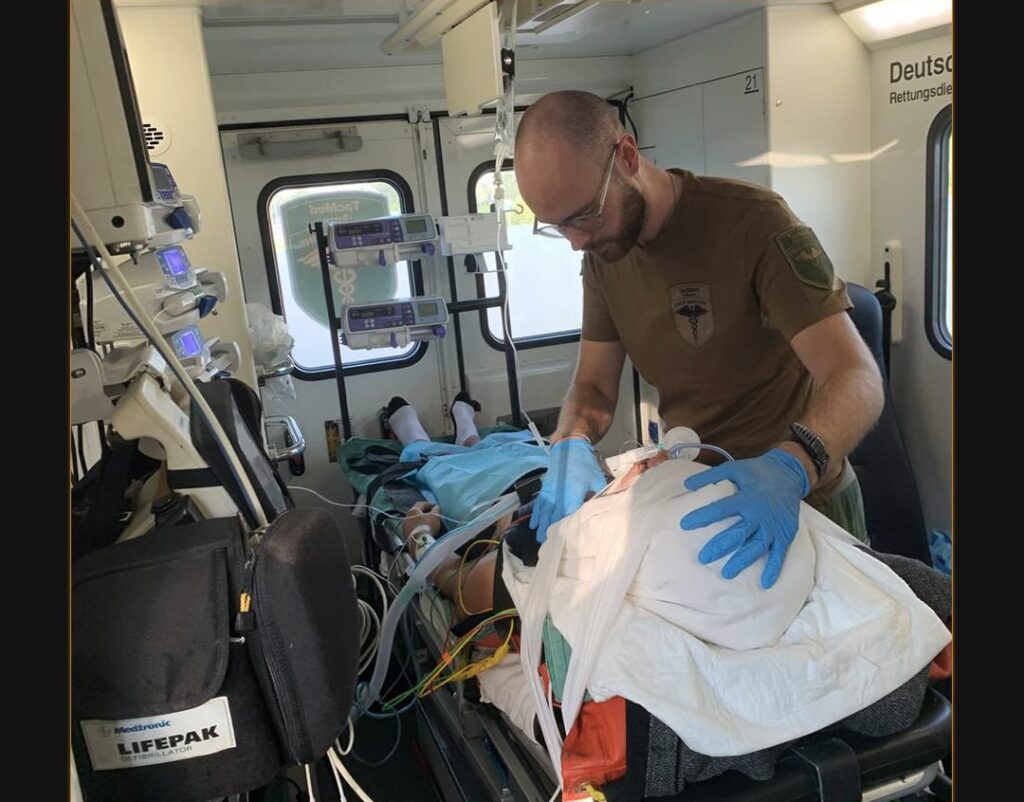
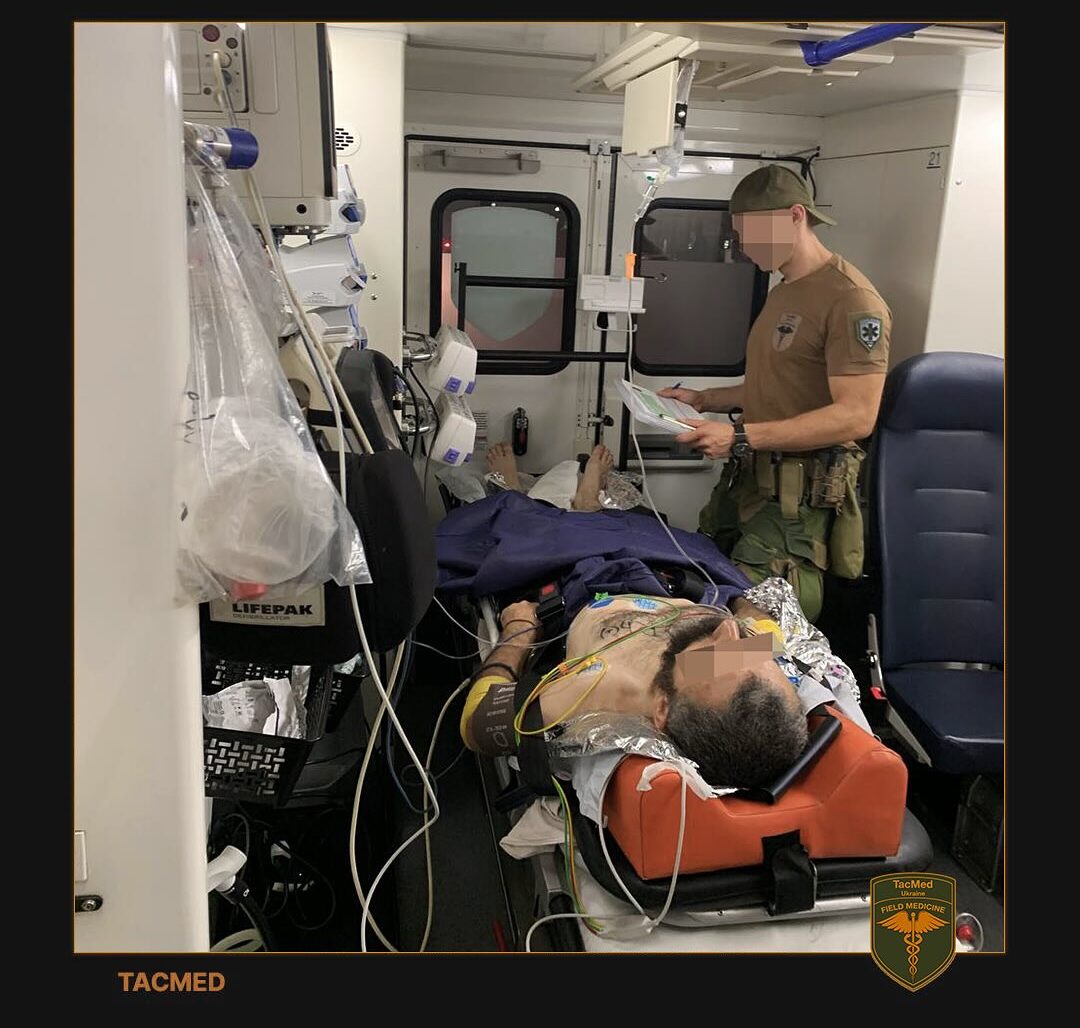
In January alone, ambulances funded by international donors and operated by TacMed Ukraine transported 226 patients to hospitals. Since the program began, 7,221 patients have been evacuated by 22 ambulances staffed by volunteer medics and drivers.
On January 28, one of these ambulances was struck by a drone. It was crewed by an American medic and an American driver. Inside was a patient in need of evacuation. The drone hit. The medic and patient suffered superficial injuries. The driver took shrapnel to the head and arm.
A second ambulance team raced in to extract them, transporting the wounded volunteers and patient first to a stabilization point and then onward to a hospital in Dnipro. Today, those volunteers are out of the hospital. They are recovering. They are eager to return to work.
That should both inspire and unsettle us.
According to Ukrainian military police, debris at the scene identified the drone as a Russian Gerbera type — a piloted drone capable of targeting moving vehicles at night. At the time of the attack, the ambulance was painted dark green, had blue strobe lights activated, and was driving away from the conflict area along a primary logistical route, 25-30 kilometers from the zero line. In other words: it was clearly an ambulance. It was clearly not engaged in combat. It was clearly evacuating.
Open-source reporting indicates that Gerbera drones have used Starlink mini systems — which were disabled days later, on February 2. On the day of the strike, and every day since, TacMed Ukraine ambulance drivers report passing burned-out vehicles along the same road — casualties of ongoing drone attacks.
Let us be clear: under international humanitarian law, ambulances, medical facilities, and medical personnel are protected. Deliberately targeting them is a serious violation.
This is not collateral damage. It is not confusion. It is a pattern. And yet, even amid this reality, the work continues. All of it powered by diesel fuel. All of it made possible by philanthropic support from Americans who believe humanitarian law still matters.
There is a temptation, especially five years into a grinding war, to normalize the headlines. To see Ukraine as a stalemate. To quietly shift attention elsewhere.
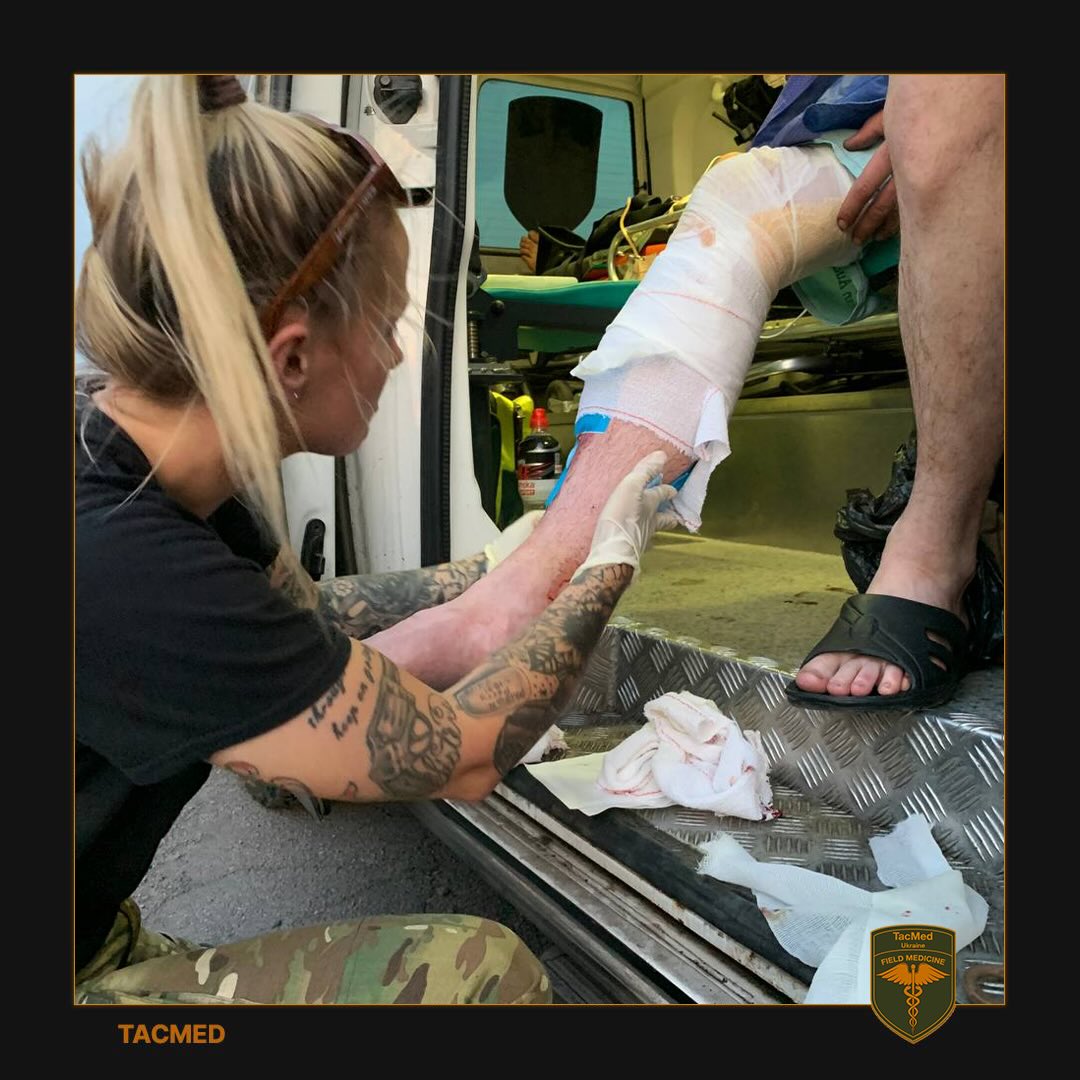
But on the ground, nothing is normalized. Ambulances are increasingly coming under threat. Medics are absorbing shrapnel while evacuating the wounded.
Ukraine is not only fighting for its territory. It is fighting for its independence, its sovereignty, and its right to exist free from terror. And it is doing so while upholding — far more faithfully than its aggressor — the norms of civilized warfare.
For donors, this moment demands clarity. Diesel fuel may not sound heroic. But without it, ambulances do not move. Patients do not survive the hour. Aid does not reach Kharkiv, Shevchenkove, Balakliya, Kupiansk, or Izium.
The reality on the ground is desperate — and deliberate. We cannot allow fatigue to become complicity. We cannot let distance dilute responsibility. And we cannot allow war crimes to be normalized by silence.
Ukraine is our ally. It is a democratic nation fighting for its independence against an aggressor that has shown, repeatedly, its willingness to target civilians and the very vehicles meant to save them.
The question for each of us is not whether the need remains. It is whether we will meet it.
Now is not the time to pull back. It is the time to lean in — to fund more fuel, more evacuations, more aid, more resilience. To ensure that when an ambulance is targeted, two more are ready to respond. For donors, this is one of the most direct ways to have immediate, life-saving impact.
Because on the roads of eastern Ukraine, neutrality is not an option … and neither is indifference.
Support Medical Evacuations in Ukraine
Medical teams are continuing to evacuate patients under increasingly dangerous conditions. Philanthropic support helps fuel ambulance evacuation routes, transport critically injured patients to hospitals, and sustain frontline medical teams operating daily. For those interested in learning more or exploring how to support this work directly, please feel free to reach out — we’d be happy to connect you with the team.